Some quilt blocks come and go with trends, but the nine-patch has remained a quiet favorite for generations. It’s simple, balanced, and endlessly adaptable—one of those rare blocks that can feel equally at home in a 19th-century heirloom quilt or a modern graphic design.
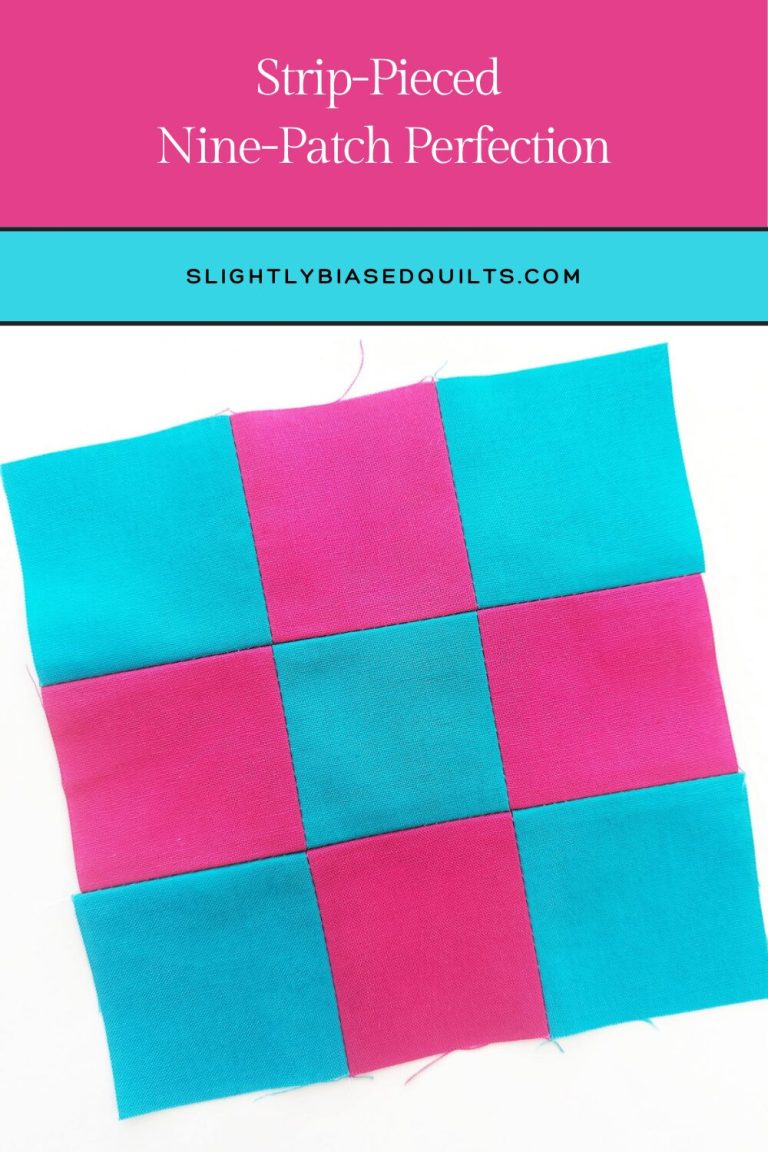
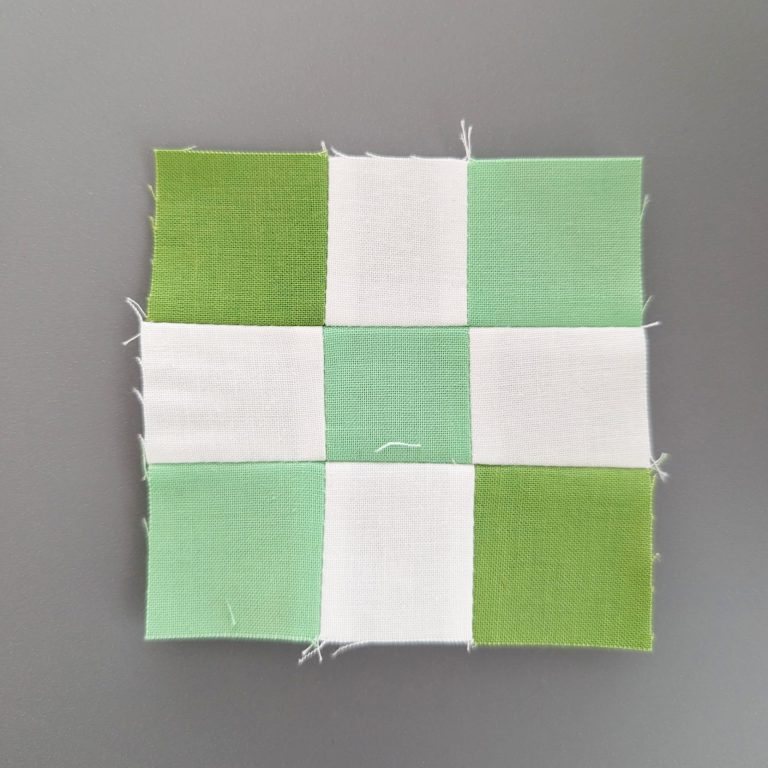
At its heart, the nine-patch is exactly what the name suggests: nine squares arranged in a 3 × 3 grid. Yet from this humble structure comes an incredible variety of quilts, patterns, and design possibilities.
And when you add the efficiency of strip piecing, the nine-patch becomes not just timeless—but wonderfully practical for today’s quilters.
Let’s take a closer look at where the nine-patch came from, why it has lasted so long, and how modern quilters continue to reinvent it.
A Brief History of the Nine-Patch Block
The nine-patch is widely considered one of the earliest quilt blocks used in American quilting, appearing frequently in quilts from the early to mid-1800s.
Part of its popularity came from its practicality. Fabric was precious, and the nine-patch made excellent use of small scraps and leftover pieces. Many early quilts used bits of worn garments, household linens, or dressmaking remnants—turning everyday materials into something beautiful and useful.
The structure of the block also made it easy to sew by hand. Quilters could piece small squares together during spare moments, gradually building blocks that could later be assembled into a finished quilt.
Because of this, the nine-patch became a cornerstone of charm quilts, where every square is made from a different fabric. These quilts were often collaborative projects shared among quilting communities.
Even today, when you open a vintage quilt collection, you’re almost guaranteed to find a few nine-patch designs tucked among the more complex patterns.
Why We Still Love the Nine-Patch
Despite its simplicity, the nine-patch remains one of the most versatile blocks in quilting.
It works beautifully in:
- Scrap quilts
- Fat quarter quilts
- Minimalist modern designs
- Vintage-inspired heirlooms
And because the block is so structured, it lends itself well to strip piecing, where long strips of fabric are sewn together and then cut into segments. This technique allows quilters to create large numbers of nine-patch blocks quickly while keeping seams aligned and consistent.
For quilters working from a fat quarter stash, 2.5-inch strips are especially popular. They produce crisp patchwork with just the right balance of scale and visual interest.
The Nine-Patch as a Design Foundation
One of the reasons the nine-patch has endured for so long is that it functions almost like a building block for larger quilt patterns.
Many well-known quilt designs actually begin with a nine-patch structure and then evolve through rotation, enlargement, or rearrangement.
Some classic examples include:
- Double Nine-Patch
- Disappearing Nine-Patch
- Irish Chain
- Nine-Patch on Point
Each variation transforms the simple grid into something new, proving just how flexible this block can be.
10 Creative Ways to Use Nine-Patch Blocks
If you start with a stack of nine-patch blocks made from bold prints and neutrals, you can experiment with a surprising number of layouts.
Here are a few ways quilters love to use them.
1. Traditional Grid
The most classic arrangement places blocks in straight rows. It’s simple, symmetrical, and wonderfully timeless.
2. Checkerboard Layout
Alternating nine-patch blocks with solid squares creates a crisp checkerboard effect that highlights the patchwork.
3. Diagonal Chains
Rotating blocks slightly can create diagonal chains that move across the quilt top.
4. Nine-Patch on Point
Setting the blocks on point adds a dynamic, vintage feel and often creates beautiful secondary patterns.
5. Double Nine-Patch
Small nine-patch blocks combine to form a larger nine-patch unit, adding depth and scale to the design.
6. Disappearing Nine-Patch
This modern favorite begins with a traditional block that’s cut apart and rearranged to create an entirely new pattern.
7. Offset Rows
Shifting rows slightly creates visual movement and a more contemporary aesthetic.
8. Scrappy Charm Quilt
Using a different fabric in every square gives the quilt the joyful unpredictability of a traditional charm quilt.
9. Minimalist Nine-Patch
Pairing bold nine-patch blocks with lots of neutral background fabric creates a modern, airy design.
10. Improvisational Layouts
For a more artistic approach, blocks can be rotated or staggered randomly, creating a quilt that feels playful and free-form.
From Scrap Saver to Design Star
What began as a practical way to use leftover fabric has become one of the most recognizable quilt blocks in the craft.
The nine-patch proves that complexity isn’t always necessary to create a beautiful quilt. With just nine squares—and perhaps a few clever strip-piecing tricks—you can create a quilt that feels traditional, modern, or somewhere beautifully in between.
It’s the kind of block that invites experimentation. Change the fabrics, rotate the blocks, play with spacing, and suddenly a familiar design feels entirely new again.
And that’s the quiet magic of the nine-patch:
a humble block that continues to inspire quilters, generation after generation.
✨ I’d love to hear from you:
Are you a fan of the nine-patch block? Do you prefer the traditional layout or something more modern like a disappearing nine-patch?
I love the look of them all! Have tried a couple and plan on trying them all!